


















Picture this: you step foot into your house after a long day at school, only for it to look like it’s 10 o’clock at night despite the clock reading 5:30. For a moment, you question whether or not you traveled ahead in time.
Unfortunately, this is something we all experienced this November 2 as daylight savings time rolled around, and we set our clocks to “fall back” an hour. What started out as a whimsical suggestion in a satirical essay by Pennsylvania’s very own Benjamin Franklin has grown into a national phenomenon.
America had its first taste of daylight savings in 1918, introduced to save electricity during the war. The turning forward of clocks in the spring allowed for sunny evenings, and less use of electricity to power lights. While the practice stopped for years after the end of World War I, Franklin D. Rosevelt brought it back during World War II, and it stuck, for better or worse.
While the logic seems sound, some studies indicate that daylight savings can cause more harm than good.
A study published in the New England Journal of Medicine shows that the shift in time, especially in the spring, can result in “an average increase in traffic accidents of approximately 8 percent.” In addition, there seems to be an association between daylight saving and an increase in heart attacks, according to a meta-analysis of studies.
Most of these downsides, however, come in the spring, when we “lose” an hour of sleep. The fall presents us with a much greater challenge: beating seasonal depression in the midst of a busy school year.
Circadian rhythm, our body’s innate physiological clock, regulates everything from mood to sleep cycles. When we set back our clocks, our bodies struggle to keep up. For some, this leads to Seasonal Affective Disorder; for others, even later nights and trouble managing emotions.
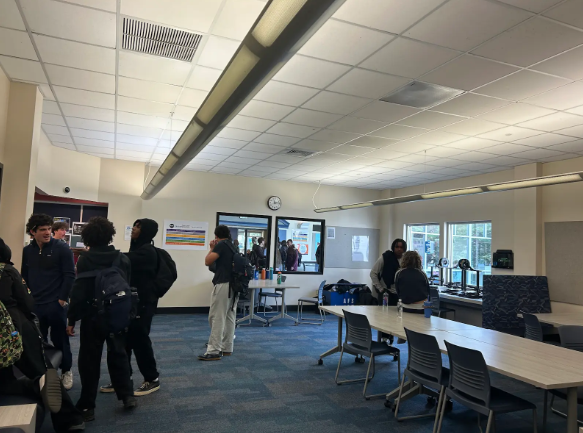
At Abington Friends School, fall is already a hectic time. Freshmen are busy learning how to manage a high school workload while keeping up with old friends and making new ones. Meanwhile, sophomores tackle PSATs for the first time and many take their first honors classes.
Some juniors scramble to study for AP Chemistry while others type countless emails, organizing new clubs or trying to accomplish their life’s goals during Office Hours. In the senior hallway, students balance intense schoolwork with an increasingly intense college admissions process.
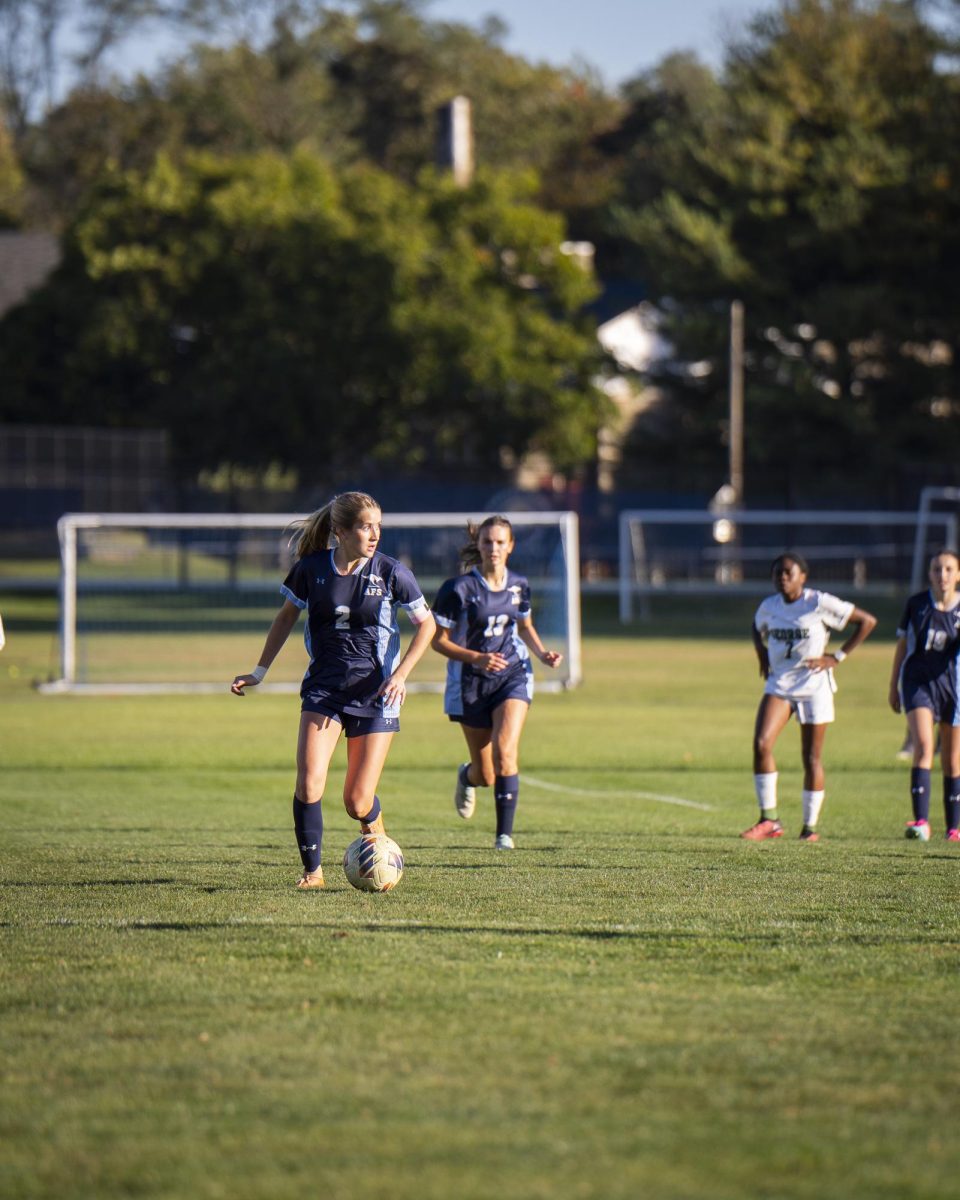
On top of academics, sports and theater are in full swing, adding more pressure to already stuffed schedules.
With less daylight hours and multiplying to-do lists, it can feel impossible to take care of your mental health, but it is crucial that you do. Due to the recent implementation of the Yondr pouches, many of our usual coping mechanisms are gone.
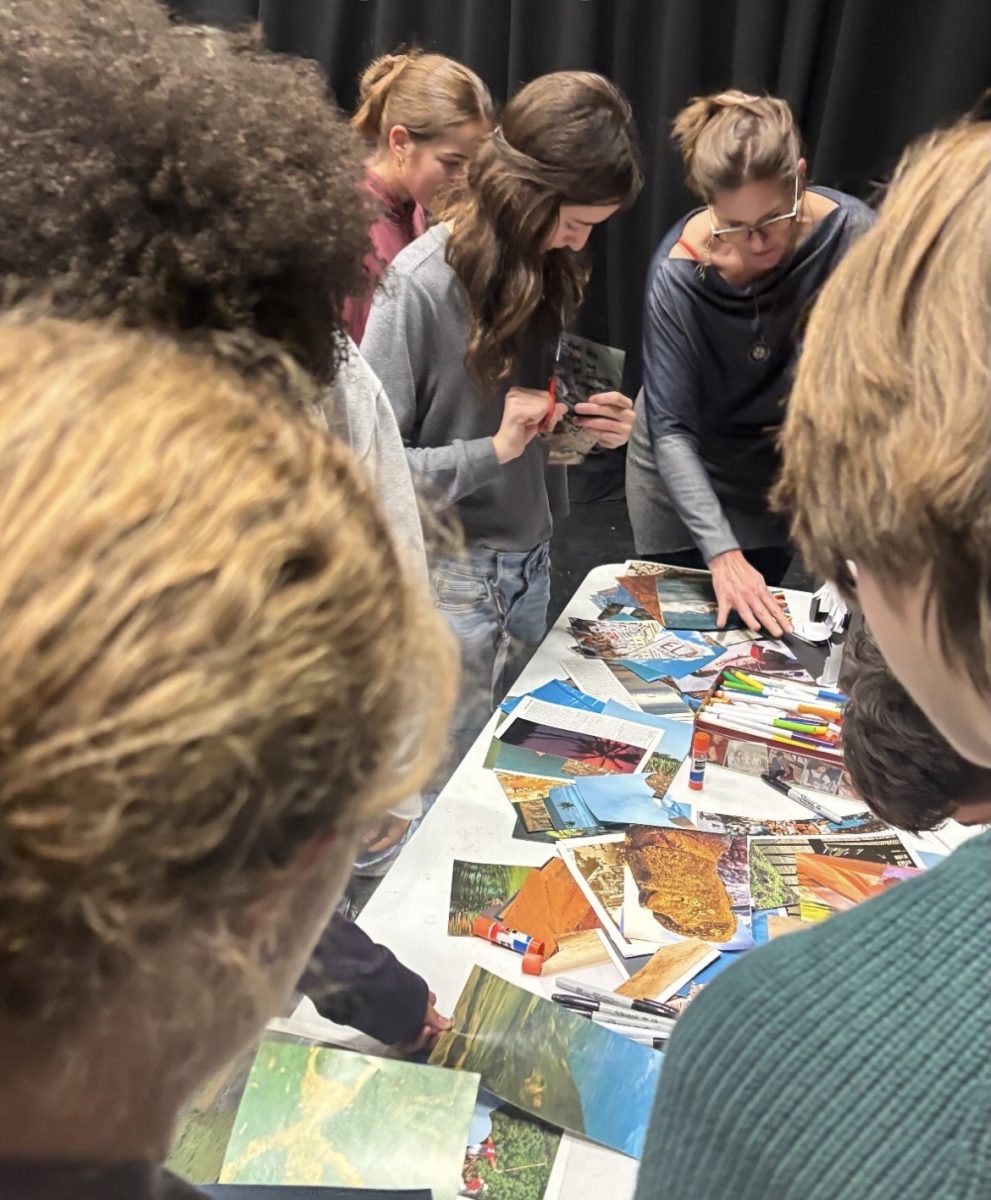
At school, there are ways to support yourself during a busy day. Nurse Rachel’s office near the Muller Lobby is almost always open with snacks, and the Farmhouse is a great place to grab a late breakfast. Taking a quick walk outside for sunlight or checking in with friends can also help you reset.
AFS’s wonderful counselor Ebony Holloway and Head of Student Support Mike Cassano are more than happy to work with students on stress management, and they are only an email away.
Sometimes, school itself becomes impossible to manage. In those cases, taking a day off to reset or making a supportive plan with your advisor to stay on top of work can help immensely.
Autumn is a time where massive change occurs: dropping temperatures, shortening days, serious schoolwork. It’s important to recognize your body’s needs and its responses to outside forces, like stress and limited sunlight. Lean on your friends and peers for support; we are all going through it together.
If you have any concerns about you or your friend’s wellbeing, call or text 988 for a 24/7 hotline, call The Trevor project’s LGBTQ hotline, or talk to fellow teens using the Teen Line.







Lilah VanLeer • Jan 4, 2026 at 1:18 pm
Daylight savings can definitely get me a little thrown off track because it gets dark so quickly. Once I finish all of my classes, I decide to work out after school. By the time I start on the treadmill and zone back in after a while, it’s dark! Of course I enjoy getting an extra hour of sleep, but it affects me during the day. I’ve also noticed that sometimes just thinking the time change will make me feel more tired actually makes me feel more tired. That’s kind of like the placebo effect, where your mind can trick your body into feeling a certain way just because you expect it. Even if the extra darkness isn’t really causing the problem, my brain convinces me it is, which makes adjusting a little harder than it should be.
Milan • Dec 5, 2025 at 12:21 pm
I really liked this article because it explained Daylight Savings in a way that actually made sense. I always feel weird when it suddenly gets dark at like 5 p.m., and the writers described that feeling perfectly. When the clocks change, my sleep schedule definitely gets messed up. I feel more tired in the morning and sometimes less motivated to do homework after school because it feels so late.
Fall is already a stressful time, so having less sunlight makes everything feel harder. I thought it was helpful that the article mentioned places at AFS where students can take a break, like Nurse Rachel’s office or going for a quick walk. When I’m busy, I try to stay organized and talk to my friends when I feel overwhelmed. It’s nice to know other people are going through the same thing too.
Roth Perkins • Nov 17, 2025 at 7:01 pm
The points seasonal depression stood out to me. The combination of darker afternoons and school stress can make it harder to stay focused or feel energized. I’ve noticed that I’m more tired in the mornings and more drained after school around this time of year. I try to get outside earlier in the day, break my work into smaller pieces.
CalvinnCannon • Nov 14, 2025 at 2:33 pm
this article is really enjoying. this article made me realize how much daylight saving time affects our daily lives. School is already hard enough for students, and one of the things that I’ve found most valuable is a schedule. When I have a schedule that I can follow every day, it allows me to anticipate the challenges of high school. I didn’t really notice when we lost an hour of sleep in the spring that it has that much of an impact on people. I enjoy it being darker in the morning and lighter in the afternoon more and I don’t think it’s worth all of the negatives stated in the article to conserve the energy.
Ashya Farahi • Nov 13, 2025 at 11:15 am
I really enjoyed this article! It made me realize how much daylight saving time affects our daily lives, but more specifically, in the context of just being a student. Daylight saving time does more harm than good to students, it seems. From disrupting our sleep, focus, and mental health at this current time of the year, when academic pressure is high!! For example, seeing the sun set on my drive home from school or even before dinner, my motivation and energy seem to disappear as the light does. I often find myself staying up much later than before to finish work, even though I feel tired even earlier in the evening. The shorter daylight hours make everything feel heavier and slower to me, and currently, I feel like it’s impacting both my productivity and my mood. I think during these busy and dark hours, going outside (despite the cold), and maintaining a sleep schedule that I can rely on. But overall, I think we’d all be better off without the extra hour of darkness. Honestly, no amount of history that was discussed can justify how much it messes with our mental health as students.
ethan • Nov 12, 2025 at 10:08 pm
During daylight savings it can get really confusing because it gets dark really quick. You could be doing something after school and then you look outside it’s already dark. I like the fact that we get an extra hour of sleep, but it can affect many people throughout the day and the day just feels a lot more shorter. I also feel like as the sky darkens quickly it really changes my mood, I get more tired, get lazy, and lose motivation causing me to not feel like doing my homework and making me feel more exhausted because of the dark.
Makai O'Neill • Nov 12, 2025 at 8:26 pm
I really liked this article! I think that the time shift kind of throws all of us off, and it’s always confusing when it changes. And I think that it isn’t really necessary, and it’s just easier if we don’t change the clocks back and forth. I personally like to wake up in the dark, and it’s always annoying to me when the time changes. Sometimes, when I get home around 6, it’s already late, and it feels like it’s midnight! Overall, I enjoyed reading this article and learning more about the research behind daylight savings and what it does to people.
Leila • Nov 12, 2025 at 2:07 pm
The effects of daylight savings are especially noticable in the lives of students, as the article Is It All Benjamin Franklin’s Fault? highlights. Since the time change, I have felt more tired and less energized, as the darkness tells my subconscious that it is late. The sun’s disappearance so early in the day often makes me confused, and I have found myself feeling exhausted by 5p.m. on more than one occasion. Moreover, I have noticed a lack in productivity, as I still have yet to adjust to the time change. My shift in productivity also is also affected by the cold weather, as I feel less included to seek out alternative spaces to do my work. In warmer weather and brighter season, I often prefer to study in cafes and overall take the initiative to study, but that motivation fades as fall turns to winter. Daylight savings time should be abolished, as it disrupts student’s sleep patterns, focus, and motivation during an already academically stressful time. Ending this old practice would help students maintain consistent energy and effort throughout the year, without disruption.
Eliot Bramson • Nov 12, 2025 at 1:52 pm
I think that the perspectives shared in this article represent how almost everyone I know feels. Daylight saving time was something created with a valid purpose, but it has become outdated. School is already hard enough for students, and one of the things that I’ve found most valuable is a schedule. When I have a schedule that I can follow every day, it allows me to anticipate the challenges of high school. However, with these sudden jumps in the timing of everything, it can be disorienting and difficult to adjust to when I already have so much going on. Sleep is also one of the most important things for high schoolers, and daylight saving time robs them of a valuable resource. I remember a couple of weeks ago, with the start of daylight saving time, I felt constantly tired, and it was difficult to adjust.
Faye • Nov 11, 2025 at 7:48 pm
This daylight savings time really confuses you at first because you’ll be hanging out with friends and then you see that the sun is going down so you check to see the time and it’s only five. I don’t get home till around five and by then it’s already pitch black and feeling like ten at night. I like the extra sleep but I don’t even really use it because I’m up every night doing my homework. I didn’t really notice when we lost an hour of sleep in the spring that it has that much of an impact on people. Now looking back it makes sense why we would be affected by the change in our sleep because that change in schedule can really impact us negatively or positively depending on the person and situation.
Gia • Nov 11, 2025 at 9:57 am
During daylight savings time, my mood tends to shift and I find it hard to do work because of the early sunset. It makes me feel as if I wasted all of the daylight inside a school building which only makes me feel worse. I also just don’t thrive during the winter anyway because of its dreary mood. These combined with my school and homework make it difficult to focus and keep up with the work. By the end of daylight savings I’m starting to get used to it only for it to go back again which starts the cycle over again! This change in time matters to me the more I think about it!
Solomon • Nov 10, 2025 at 9:02 pm
I really appreciated the precise historical context this article offered. For me, I really like the season of fall. Each year I just want fall to last a bit longer because I feel like fall always goes by so quickly, while winter seems to feel like an eternity. I find the shifts in the seasons, particularly the shift to winter, to be somewhat difficult because of the cold weather and the sun setting so early. After returning to school in the fall and reestablishing work and study habits I feel pretty productive in those weeks of fall, but once daylight savings time rolls around and we enter the later fall and winter I find it more challenging to be productive because when the sun sets so early I feel much more tired.
Samara • Nov 13, 2025 at 8:28 pm
Solomon, I totally agree with you. As the days get shorter and we lose more sleep, it’s much harder to be productive, as we are going against our nature. I know that for me, it’s much harder to continue being productive and ready to stay on task when all the times are switched up, especially when they make it so that we get less sleep. I think the school day in general (and how our lives are built/the general schedule we humans live by) isn’t catered towards our human nature, and daylight savings definitely doesn’t help this case. All in all, I think that daylight savings drastically reduces student, and general productivity, as with the change to winter comes Seasonal Affective Disorder for some, sleep deprivation, and an overall loss of motivation.
Helene M • Nov 7, 2025 at 2:07 pm
Daylight savings, though beneficial for waking up to more sun on school days, has more downsides than upsides in student mental health and motivation. When it feels like it’s deep into the night at 5PM it makes it almost impossible to tackle workloads and feel awake in the early evening. This article gave some much needed perspective to our annual problem with helpful resources and ways to mediate some of the difficulties of the fall and winter months. I think for me, the only solution for remaining productive past 5 is turning my lights on bright and drinking a coffee.
Solomon • Nov 10, 2025 at 9:28 pm
I appreciate your perspectives and insight on how you approach productivity when it seems so hard to stay productive when the sun seems to set so early. I also feel like this article provided a lot of interesting context on an issue so many people are grappling with. I definitely agree that setting the clocks back an hour has benefits and that having more sunlight in the morning hours before and as school starts is beneficial. For me, it also feels pretty hard to do school work when there seems to be so little sunlight and I generally feel more drained when doing school work after the sun sets.
Jonas Couzin-Frankel • Nov 7, 2025 at 9:40 am
I think that daylight savings are a useful or beneficial thing we should continue to use because of the drastic downsides in comparison to the minor improvements. I usually do not notice much of difference during the time changes other than the fact that I can become slightly more tired. My productivity, mental health, and sleep schedule all stay perfectly fine. What annoys me more is the fact that it gets dark so early during the winter. I enjoy it being darker in the morning and lighter in the afternoon more and I don’t think it’s worth all of the negatives stated in the article to conserve the energy.
[email protected] • Nov 7, 2025 at 9:55 am
I agree, the fact that it gets darker faster is annoying. However, the sky darkening faster changes productivity levels because the darkness mimics night, so I naturally become more tired. It feels like my evening and night speed up, and I have less time to get my work done. It is almost like racing time, but the sky is so far ahead of you, you can not beat it.
Eliot A Bramson • Nov 12, 2025 at 2:08 pm
I would disagree with you on your argument that daylight saving time is beneficial. Yes, there are pros and cons to everything, but I believe that there are more downsides to this antiquated system. For many, even being slightly more tired can result in changes in attention and discipline. This, in turn, affects overall student productivity. These adjustments can have great effects on student well-being, and although they are small, their effects can quickly snowball in such a busy time of the year. Additionally, student work suffers when it gets dark sooner after school. This can easily make kids less motivated and more tired than they’d usually be.
Nia H. • Nov 7, 2025 at 9:26 am
I believe that daylight savings time can really affect your productivity and mental health. I have experienced its effects myself. While the extra hour of sleep feels nice, it makes me feel like there aren’t enough hours in the day. With AP classes, college applications, and sports, there’s so much I need to get done in a short amount of time before it gets dark and I lose my motivation, causing me to feel anxious and exhausted. However, it all comes down to adjusting. While I’m not used to it now, in a couple of weeks when I create a routine and my body has adjusted, it will feel like nothing changed.
Helene M • Nov 7, 2025 at 2:16 pm
I agree with your last point about adjusting. Although it’s annoying to be out of sync, likely within a month or so, things will feel normal once again. I know for some people adjusting is easier said than done, and in that case, there are plenty of recourses and ways to make it more manageable. Finding new routines and rituals for the cold months can make it not just tolerable, but even a positive thing. Some rituals could be drinking a cup of your favorite tea before you start your homework, listening to a specific kind of music or artist in a season, or wearing comfortable winter clothes. Although I’m not a fan of day-light savings, with the right mindset you can make more enjoyable for yourself.
Paige J • Nov 6, 2025 at 6:26 pm
I think that the perspectives shared in this article are well-balanced and insightful to those who may experience changes in mental health during daylight savings. I think perspective on how daylight savings impacts mental health is an important topic that gets overlooked. At the end of the article and in the middle, it was helpful to advise people to check in with those who may feel down during this time, as it gets darker earlier and the weather gets colder. Which are both proven to have significant effects on mood and mental health. The shifts in season have not affected my sleep as much as I thought, although I do go to sleep earlier now, my mood has not yet been affected. My productivity has definitely been swayed more into getting work done earlier because I do start to lose more motivation as the sun goes down. During the busier times of the school year, especially balancing college applications. I try my best to block out time that is beneficial to me and gives my brain a break.
Roger • Nov 5, 2025 at 8:28 pm
For me, daylight savings time has always felt rather strange and off-putting. It impacts many things, such as changing the times that you have to call relatives who are overseas, disrupting your sleep cycle, and adds another psychological aspect of returning home in the dark after extracurriculars. I really like how this article stresses some of the downsides that are often focused on in the spring when we lose an hour of sleep, and also points out some of what I feel are the less covered and also equally if not more significant issues that come in the fall when we “gain” an hour of sleep. I feel that covering both sides and adding the perspective of students during the hectic fall period really changed my overall perspective of daylight savings time. In a period of time where so many things feel like they are passing by so fast, even a “small” change in our daily schedules can really derail everything.
Olivia G • Nov 5, 2025 at 7:30 pm
I really admire the new perspectives shared in this article. Honestly, I’ve always felt something “different” happening during/ after the fallback, but this article articulated it perfectly and also shared some cool insight into other feelings I haven’t even considered! I honestly think I get more sleep during fall and winter because I like staying warm under my blankets… but I’ve noticed that my mood worsens during the colder months. Maybe just a little sad because everything dies & looks greyish (during late fall/winter). The onslaught of schoolwork during this time plays a major role in my well-being too, (as mentioned) for the same reasons!! It seems like there are so many projects, tests, new opportunities, and roles to try and settle into before the calendar year finishes. One piece of advice I have is to take everything one step at a time, and try to show up for yourself first and foremost, even if it’s something little like getting a sweet treat after a long day.
Lauren Washington • Nov 5, 2025 at 8:14 am
Hi Anjali and Serafina, this is a great article! The topic is important and unique. I completely agree with all the perspectives you shared. The shifts in season affect my sleep schedule and mood less compared to others. However, daylight does make it harder for me to wake up when we lose or gain an hour specifically in the wintertime. As a result, I try to set a schedule up for myself while also giving myself grace to wake up late, make mistakes, and feel tired.
Bobbi Strin • Nov 3, 2025 at 5:22 pm
Great article. It is hard to adjust to the spring forward and fall back, especially the sleeping.