










It is nearly impossible to escape the news. Every day, over eight billion people move through the world, reaching milestones, starting wars, burying children, graduating, making incredibly difficult decisions, messing up, succeeding, living life. Overall, this is not very different from 50 years ago, or even 400 years ago. It is just that: life.
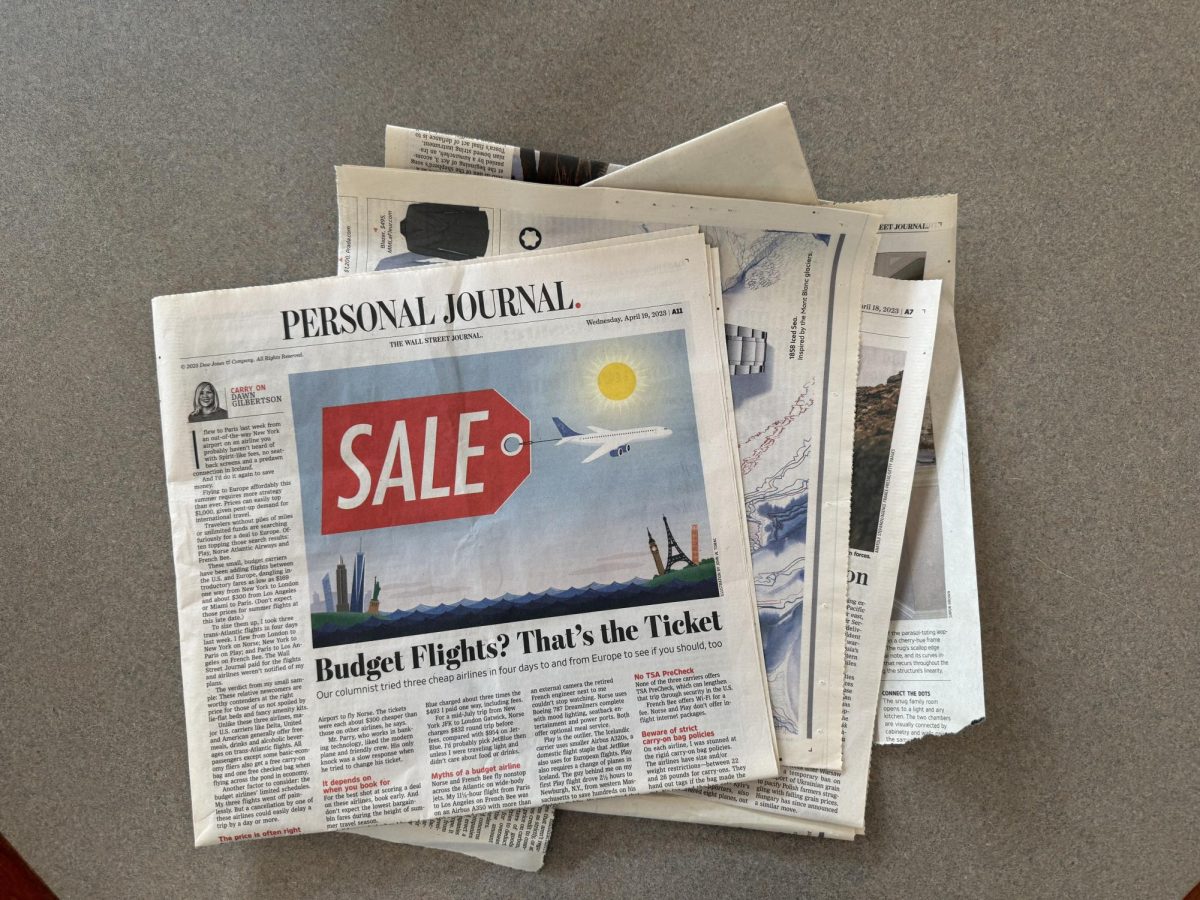
However, 400 years ago, even 50 years ago, people did not have a screen in their pocket informing them of the constant ebb and flow of humanity. Although the printing press was invented in 1440, it was used by the first weekly newspapers in 1609. By the 1640s, there was a newspaper in almost every country in Europe. Most newspapers focused on announcing births, deaths, and local social gossip.
In the 1930s, radio became another prominent way to receive news; President Franklin D. Roosevelt famously delivered his “Fireside Chats” over the radio as a way to unite the nation under his New Deal policies. It was World War II, however, that shifted the focus away from newspapers indefinitely. Radio was used to proliferate propaganda, boost morale, and report on bombings.
In the 1950s, ‘60s, and ‘70s, the Vietnam War brought television to the forefront of news, and for the first time, the American people experienced a similar predecessor to what we experience today: conflict, and propaganda about that conflict, displayed on their screens.
In the early years, most of the war coverage was positive. Cheery reporters were positioned in low-conflict areas, where they talked to soldiers and fed into the American government’s pro-war propaganda. After the Tet Offensive in 1968, public opinion on the war shifted dramatically. Inside 90% of American homes, citizens could access live footage of combat, of soldiers fighting and dying.
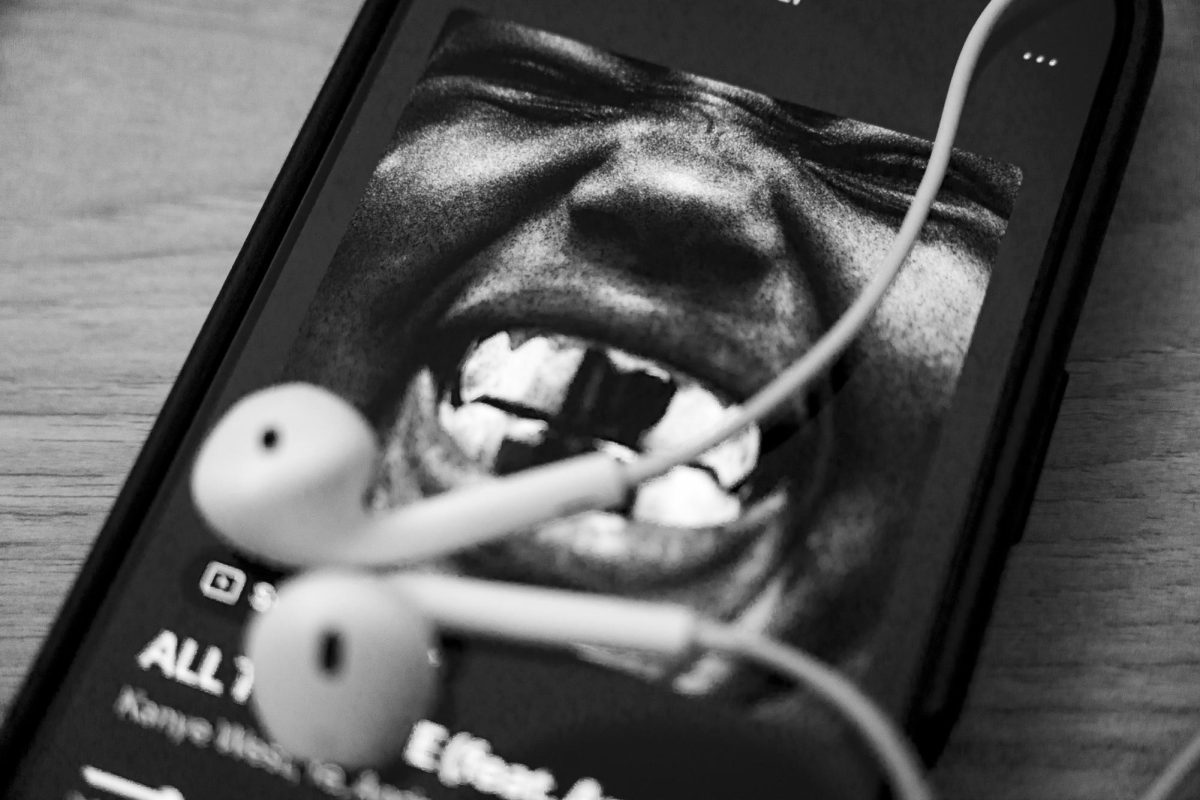
Now, news is sent directly to our inboxes, our “For You” pages, our home screens. It is individualized, international, and pervasive. Over half of U.S. adults seek out their news from social media. At our school, Instagram and TikTok are the second and third most popular sites students use to get news, both coming in behind the New York Times.
There is no shortage of places and ways to stay updated on current events. But do we?
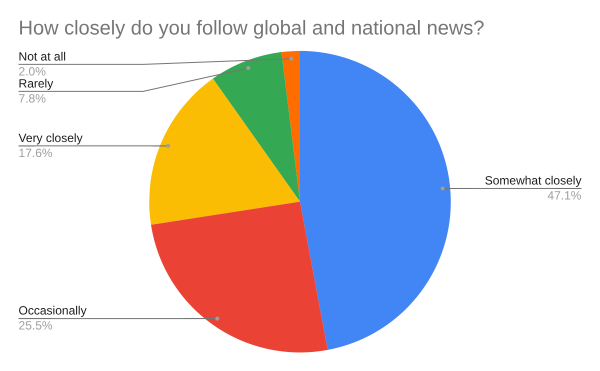
51 Abington Friends Upper Schoolers responded to a form asking about their interaction with the news. Almost 50% responded that they followed the news “Somewhat Closely,” and 25% responded that they followed the news “Occasionally.”
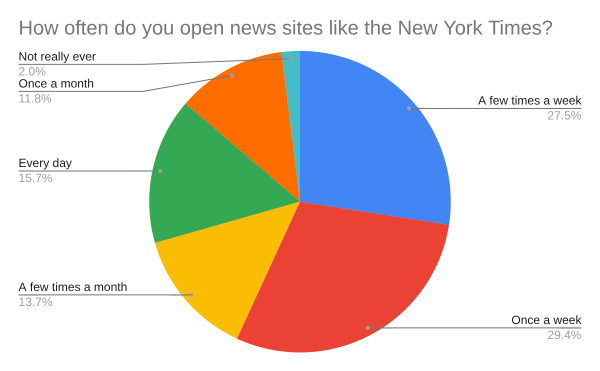
Why is it that more people don’t follow the news closer, particularly when social media makes it easier than ever to access current events? The answer might involve the overwhelming negative feelings that current day news brings.
In a New York Times Teen Forum, many teens from around the country report feeling stressed, hopeless, and overwhelmed by the news. Some cite the abundance of information, while others say that it is the depressing nature of the topics that cause them to avoid current events.
Upper School Spanish teacher Mary Jimenez said, “I think the emotion is the human [reaction]. It’s hard not to have emotions about current events.”
Empathy, or the ability to place yourself in someone else’s position and feel what they feel, is a cornerstone of healthy emotional intelligence. It is empathy that creates such strong emotional reactions to the atrocities that are on the forefront of the news.
Jona Malik ‘28 said, “Most of the popular news is mostly negative because that’s what gets attention these days. It does bring negative emotions, like sadness. I feel for those who lost their homes, lost loved ones, and who have to struggle with the effects of war.”
Daniel Benjamin, Upper School English teacher and Advisor to the Blue and White, said, “The news upsets me all the time, and I definitely have cried while listening to or reading the news frequently. The news in the world is often really upsetting.”
This can cause people to shy away from news, as a way of protecting themselves from all of the negative emotions that seem to surround current events.
Upper School History teacher and 12th Grade Dean Rusty Regalbuto ordinarily follows the news closely. However, over winter break this year, he decided to limit his consumption of the news, and simply stop paying attention.
Regalbuto said, “I made that decision because when we bury ourselves [in the news], it’s a dark hole we tend to get into: ‘this is pissing me off, I need to know more, I need to know more, I need to know more.’ And the more you engage in that, the more angry you get at the world around you and the other side.”
Social media, in particular, has made news much more polarizing. Filter bubbles and echo chambers are inherent, as users are fed information that they are more likely to interact with–which often confirms existing views and amplifies political divides.
Regalbuto said, “[The news] is meant to anger you. It’s meant to get you to click on more stuff, and it’s meant to keep my side of the aisle and the other side of the aisle at each other’s throats. Because once…we look at what’s going on, and we look at how these politicians have been ripping us off and robbing us blind, we’ll want to hang them. Which is why they constantly want us at each other.”
Despite this, we can’t completely bury our heads in the sand, regardless of the inclination. The news, while disturbing and upsetting and enraging, is still extremely valuable.
When asked about the importance of following global news, Oliva Giraud ‘28 said, “I think it is [important]. A lot of the time, something could happen in the world that you don’t know about, and then it could affect you, like how gas prices are rising due to something happening overseas. Staying informed on that helps you know why things are happening to you and other people.”
Jimenez said, “I feel like without knowing what’s going on, how can you be a really responsible human [on] this Earth? I feel like you have to know what’s going on in Afghanistan, as well as what’s going on in North Philadelphia, you know what I mean? Because I feel like what happens in one place is gonna have a domino effect. We need to be prepared and we need to know the facts and react to the facts.”
Ultimately, following the news is about staying informed. Everything–gas prices to new laws to international conflicts–will have impacts on our lives in big and small ways. While it’s easy to rationalize our avoidance of the news by saying we don’t want to subject ourselves to the hurt, frustration, or disappointment, we can not claim ignorance forever.
Malik, like many others, believes staying informed is the best way to unify a community.
“I feel like noticing the news and staying aware of it helps…people not be as ignorant. And I think that’s a problem now because, especially people who are privileged, they don’t really know what’s going on on the other side. And it’s important to be understanding of everyone because that’s how we come together as people.”