


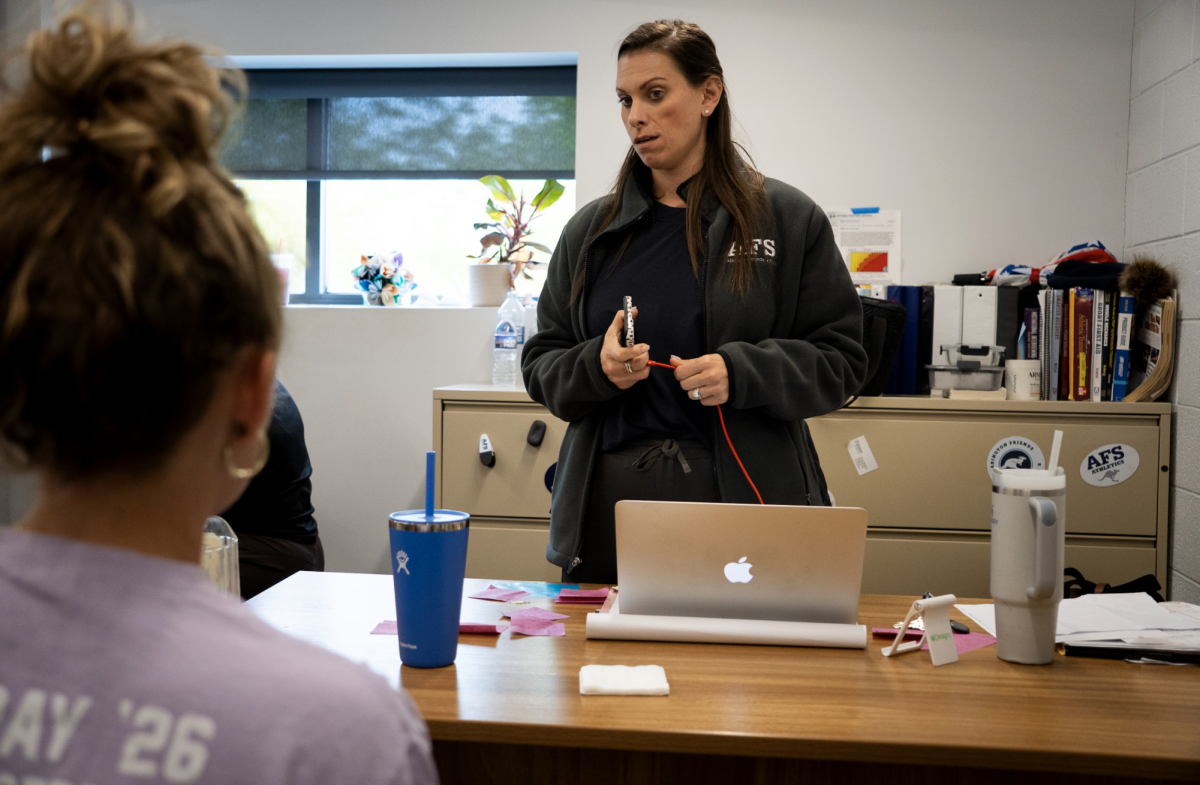

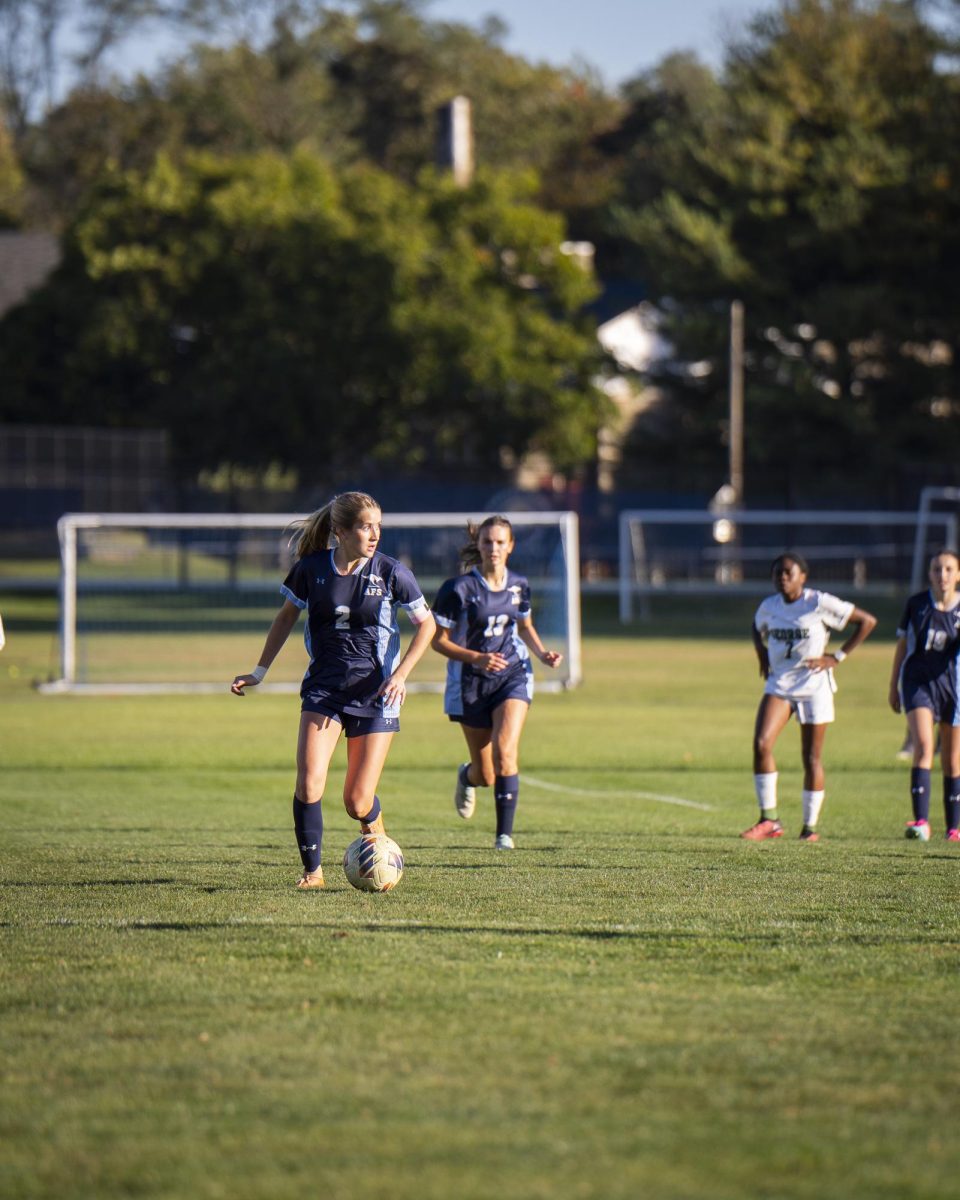






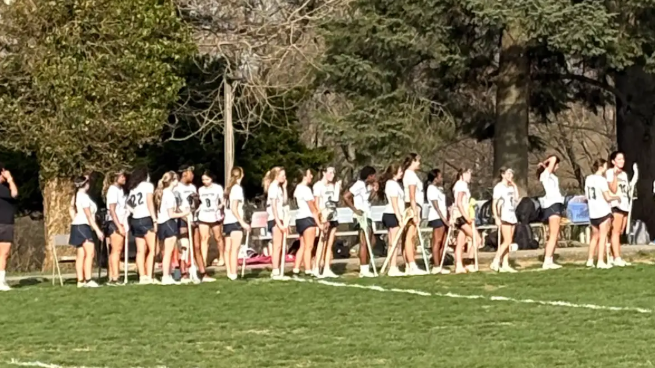


If you play a sport at Abington Friends School, you probably have spent some time in the athletic training room. Maybe you needed your ankle taped, maybe you needed ice after practice, or maybe you just checked in because something didn’t feel right.
For AFS Athletic Trainer Alexis Bonisese, this kind of interaction is part of her everyday routine. Since starting at AFS in 2011, she has worked with hundreds of student athletes across different sports and seasons, helping them deal with injuries and stay healthy throughout the year.
Her path into athletic training started when she was deciding what to study in college. At the time, she said she was interested in two very different fields.
“I was torn between interior design and athletic training,” she said. “I went the athletic training route.”
The decision came down to one thing: sports.
“I liked being around sports,” she said. “I wanted to continue to be around sports.”
To become an athletic trainer, she completed a four-year Bachelor of Science in Athletic Training. Today, people entering the field usually need a master’s degree instead.
Before working at AFS, she gained experience through internships during college and later worked with NovaCare Rehabilitation in the Wilkes-Barre area. Those experiences allowed her to see how athletic training works in different environments with different athletes. Even with years of training, she said athletic trainers don’t always have every answer right away.

“I don’t always have all the answers,” she said. “That’s why we have orthopedics. If I’m unsure or someone has continued issues, … I refer them out.”
Her own background as an athlete helps her understand what students are going through when they get injured. In high school, she played basketball, volleyball, track and field, and a year of softball. Because she has been on both sides, as an athlete as well as a trainer, she understands how frustrating injuries can be.
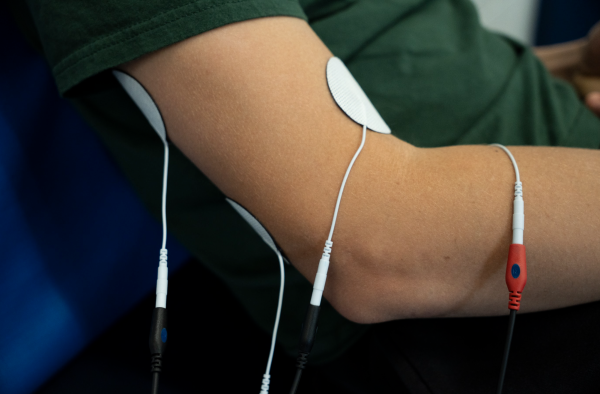
That frustration can sometimes lead athletes to want to return to competition too quickly. According to Bonisese, that can often make things worse.
“Sometimes rushing back can be dangerous,” she said. “You want to make sure you’re 100 percent before you step back on the court or the field.”
If athletes return before they are fully healed, they risk making the injury worse and being out even longer. Another challenge of the job happens during home games when athletes from visiting schools get hurt. Unlike with AFS athletes, she often does not know the athlete or their injury history. Because of that, she has to evaluate visiting athletes more carefully before deciding whether they can return to the game.
“With someone I know, I might feel confident putting them back in,” she said. “But if I don’t know the person, I have to test them more.”
Sometimes she is also able to communicate with the visiting team’s athletic trainer after the game so they can continue monitoring the athlete. Inside the training room itself, the environment can change a lot depending on the sports season and which teams are currently competing.
“No one season is going to be the same,” she said.
Some teams might deal with more injuries than others. One season, the boys’ basketball team may stay relatively healthy, while another season, a different team might spend more time in the training room. Even though injuries are a big part of the job, her favorite part is working with students.
“I like the kids,” she said. “I get to meet new people.”
Over time, she gets to know athletes not just through their injuries but also through their personalities and seasons playing sports at AFS. For athletes trying to avoid injuries, she said the most important thing is taking care of your body.
“You only get one body,” she said.
That means eating well, drinking enough water, stretching, and strengthening muscles regularly.
“If you’re not stretching, strengthening, and taking care of an injury when it needs to be taken care of, you’re going to regret it later,” she said.
While many athletes stop by the training room throughout the day, she hopes students understand the main purpose of the space.
Still, the fact that students feel comfortable stopping by shows the kind of relationships she has built with athletes at AFS.
At the end of the day, Bonisese said her role is simple. “I’m here to support anyone who comes through the door.”