














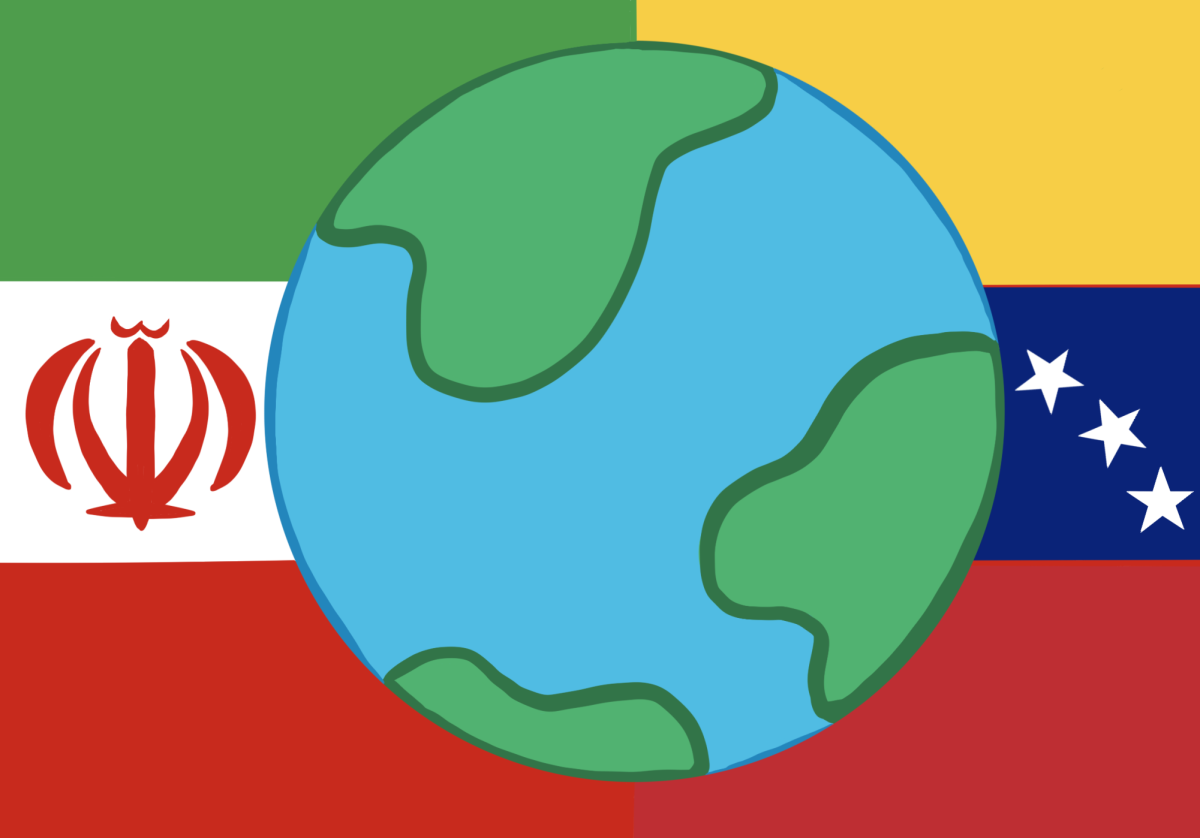






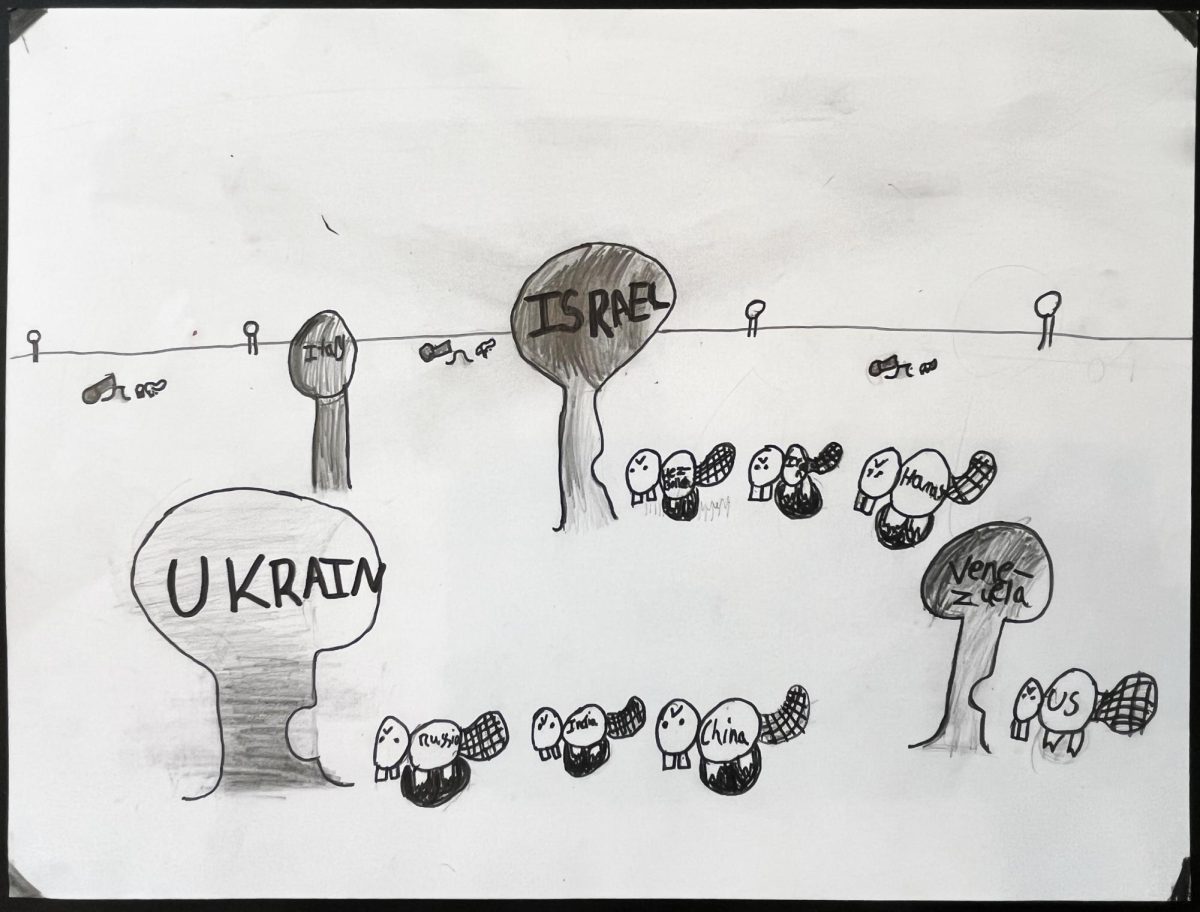


Reminiscent to a degree to the previous unfolding of history, the current and recent geopolitical tensions involving both Venezuela and Iran, and others, are increasingly being interpreted through a lens of a pseudo-renewed Cold War between the United States and China.
Although neither power has formally declared confrontation nor involvement is such a crisis, both countries have developed critical nodes in an emerging contest over key sectors including: energy control, financial systems, and greater strategic influence.
Likewise, recent developments suggest that these events, such as the very recent blockade of the Strait of Hormuz, are not mere isolated cases but indeed interconnected pressure points to a broader restructuring of global hegemony.
According to a report by the independent policy institute Chatham House, U.S. interventions in Venezuela and Iran have further disrupted China’s historic strategy of securing discounted energy supplies via sanctioned states (principally being Venezuela and Iran, and for a time Russia).
The piece also noted how China had previously relied quite heavily on Iranian Oil exports under a long-term agreement, while also maintaining significant investments in Venezuelan crude oil production and infrastructure. Therefore, the disruption of these supply chains do not flatly eliminate China’s access to energy, but certainly lead to greatly augmented costs, volatility, and an even more pronounced dependence on alternative suppliers such as the aforementioned Russia, or Brazil.
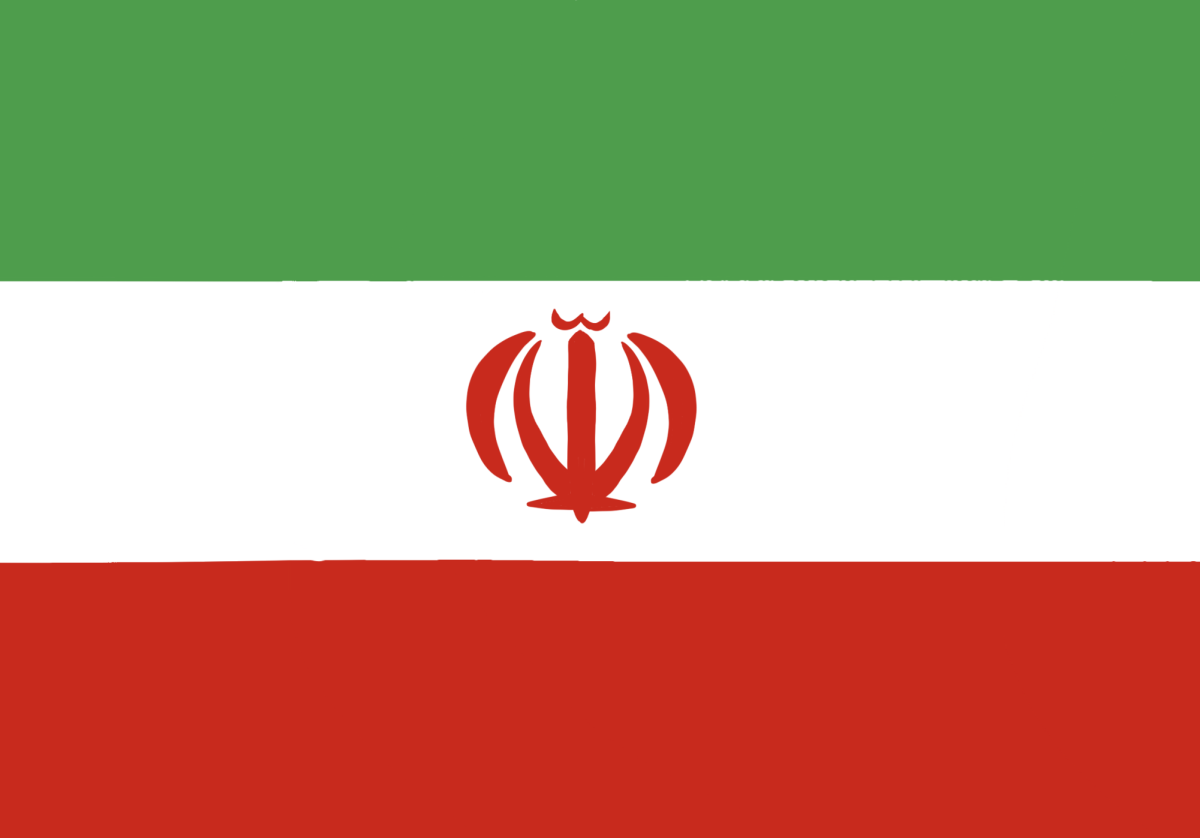
In the case of Iran, the circumstances surrounding the Strait of Hormuz have had immediate consequences on energy flow, especially on the Asian continent. Similarly, the ceasing of oil flowing from Venezuela to China, fosters further leverage for the United States.
In tandem, these shifts in global resource allocation and control reflect a shift to what may be dubbed an “energy Cold War,” one where oil is not a purely economic tool but likewise a political instrument to be tuned.
As often is the case in times of change however, this pattern is, in fact, not historically unprecedented: the 1956 Suez Canal Crisis marked a distinct turning point with respect to global power perception when Great Britain’s inability to effectively maintain control over a key trade route revealed the, now apparent, limits of its imperial reach.
Alongside the devastating compounding effects of World War II, the crisis highlighted how through both economic and militarial overextension, even historically dominant powers were subject to accelerated decline; many historians argue that it was this very event that marked the transition of power from the British imperial leadership to the American global hegemony of which we have been accustomed to.
Back to today, some analysts suggest that the United States may in fact be entering a similarly precarious situation. That is to say, while the nation is still dominant with regards to military and financial power (although even that has waned in the wake of the rise of the Yuan), questions arise concerning its long-term sustainability.
However unlike Britain in the 20th Century, the United States remains deeply unmatched in its military capacity, situating the allusion to the Suez Canal crisis less as a rigid prediction and more as that of a warning about limits and power projection.
Venezuela and Iran function as much more than regional conflicts, they are strategic points in a wider contest for global order: one centered on U.S. containment and imposition, and Chinese led economic integration despite roadblocks, and particularly multipolar expansion.
The question of whether this competition should evolve into tangible conflict or managed stabilization ultimately depend on the ability of both powers to balance coercion with cooperation where relevant and not mistake the exterior entities that form the interconnected global system as shackles to be cast away, for indeed it is hubris that should sink empires from their positions of superiority.