






















March Madness is a magical college basketball tournament where teams compete for the national title. It is composed of 64 teams with single elimination rounds. There are four regions in the bracket.
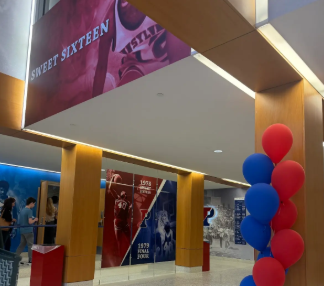
Each region has teams ranked first through sixteenth based on their season records and talent. The 1st seed plays the 16th seed, the 2nd plays the 15th, and so on. Many people like to create brackets to predict March Madness winners since the setup is so easy: round of 64, round of 32, sweet 16, elite 8, final 4, and then the championship.
But what truly makes March Madness special are the upsets. In 2023, 16 seed Fairleigh Dickinson University beat number 1 seed Purdue, marking the start to their run as one of the most historical Cinderella stories in March Madness. The unpredictable nature of the tournament is what really makes it worth watching.
Yet, the winner of the 2026 National Championship is…another number 1 seed. The winner of the 2025 National Championship? Also a number 1 seed.
In fact, save for 2023 UConn, every March Madness champion has been a number 1 seed since the introduction of NIL in college. Name, image, and likeness rights (NIL) allow athletes to make profit during their collegiate careers. This allows many athletes to support their families, bring awareness to important issues, and donate to charities.
At the same time, it gives the top athletes all of the incentive to attend high major schools that can afford to pay them millions, and essentially no incentive to attend smaller programs.
Because of this, the number 1 seeds are only getting stronger and widening the gap between high, mid, and low major programs. Additionally, this allows breakout stars to transfer to bigger programs where they could get better pay and exposure.
ESPN predicts that the amount of college basketball players entering the transfer portal this year will exceed 3,000. It’s becoming more and more difficult for universities to build a consistent program since it has become so easy to transfer. These days, athletes are tempted to simply find a different program after facing even the smallest amount of adversity during the season.
Another key factor is the pressure to declare for the NBA draft. Now more than ever, the most talented athletes are expected to be “one and done”s. The younger you are, the better it is for you to declare for the draft.
This means that even the best teams can lose their top prospects just after one season. For example, freshman Derik Queen’s Maryland team finished second in the Big Ten conference in 2025. This year, after Queen left Maryland to play in the NBA, Maryland finished second to last.
Queen isn’t the only valuable player that Maryland has lost. This is similar to Baylor’s situation, in which the team lost all 14 of their players. NIL, the transfer portal, and the NBA draft gives access for players to make the most convenient and lucrative choice for themselves.
As a result, teams are volatile. Programs that aren’t already considered alluring are vulnerable. And strong programs are spending millions of dollars on players who will only stay for a single season.
Does this mean that March Madness is losing its magic? And if it is, what can we do to bring it back?