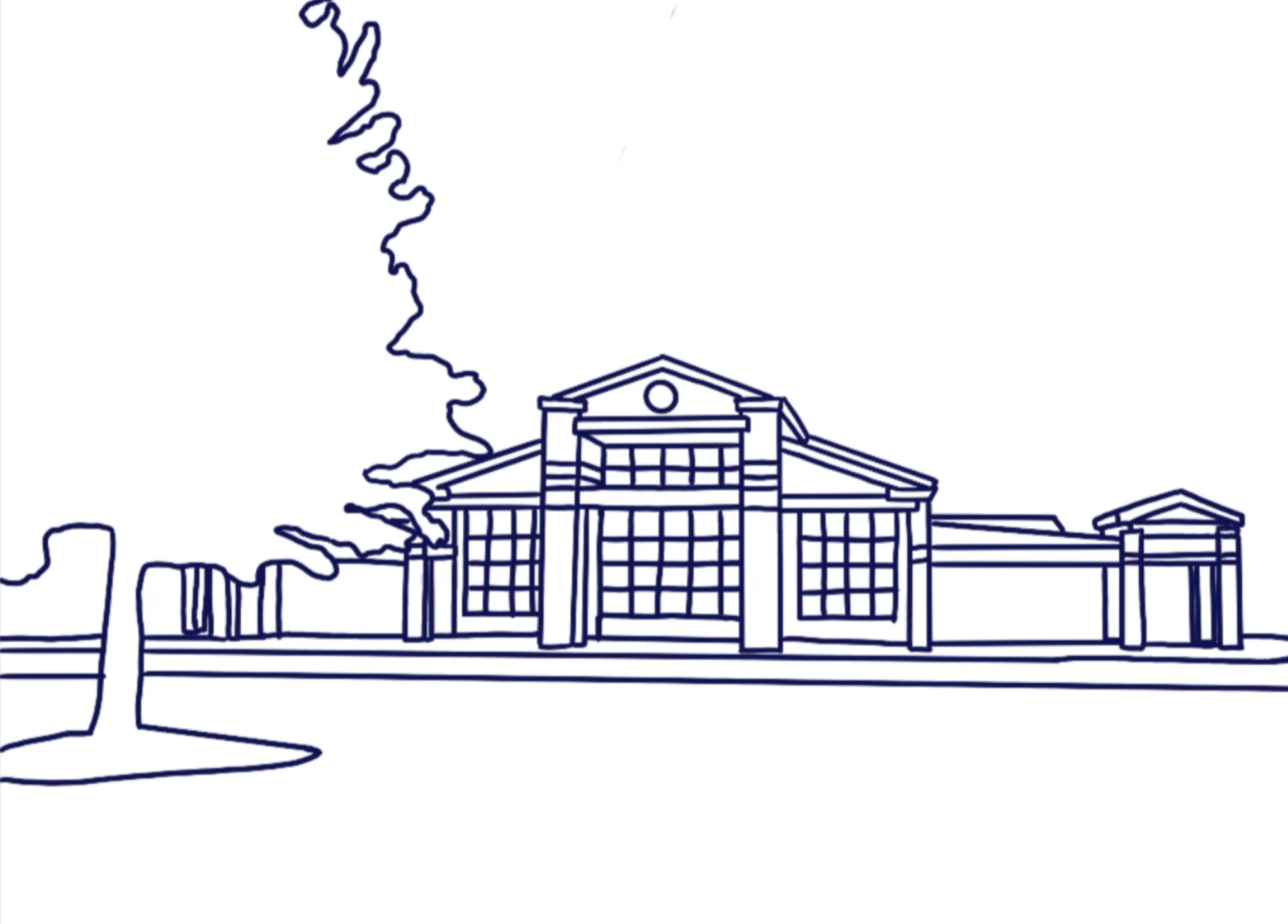





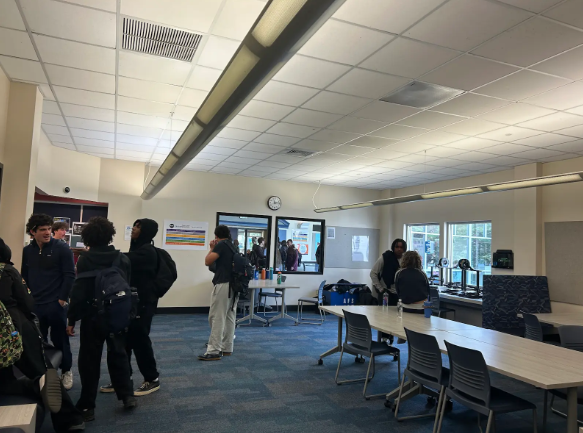







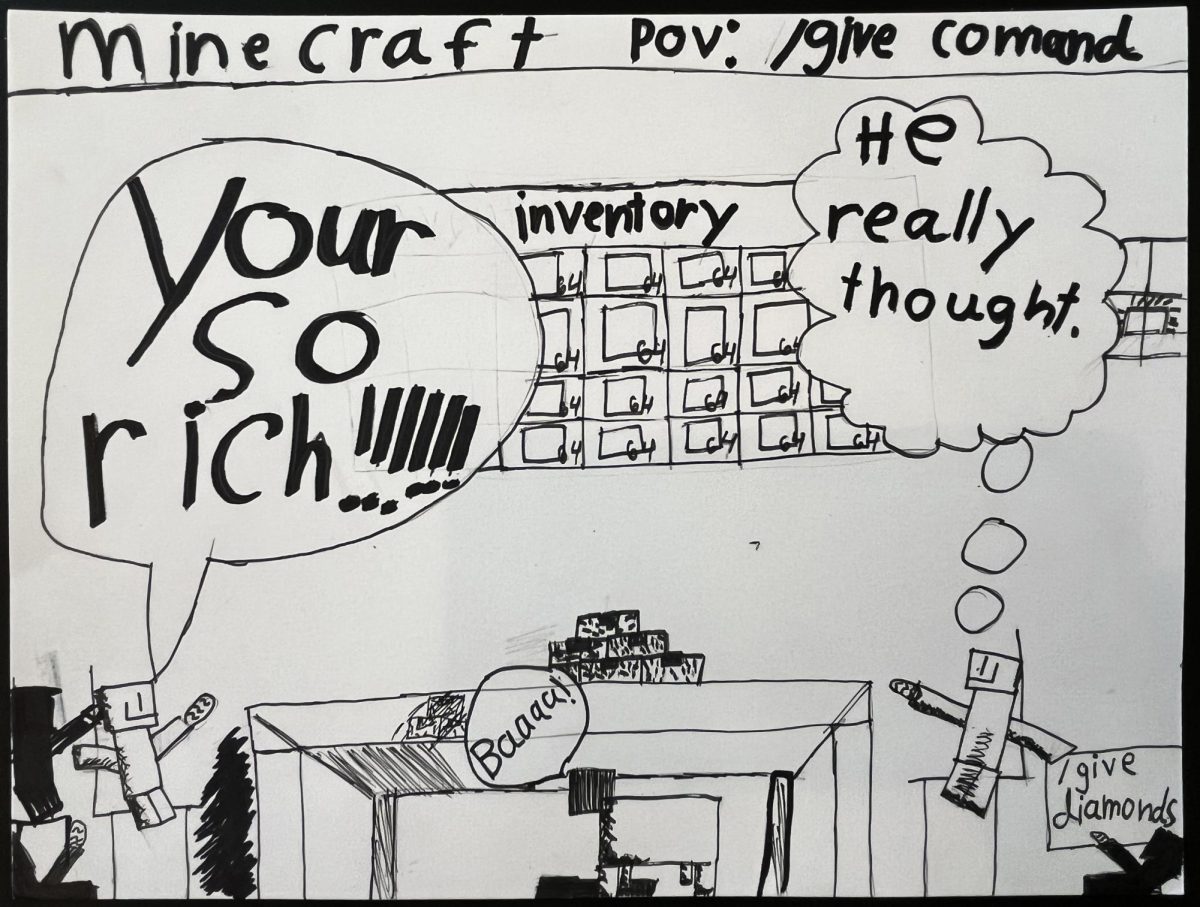

The Abington Friends Upper School holds a very sacred place where many students go each and every day. The Commons has been a very integral part of Upper School life for many years, and the space, along with the rest of the Upper School, has gone through various changes that have affected its intended purpose. Due to these changes, and controversy around eating and noise control, the Commons has become an increasingly controversial area.
In the 2025-2026 school year, the Commons went through multiple closings, all surrounding different issues. Stuffing snack wrappers in the seats, leaving crumbs and food on the tables and floors, and damaging the walls and furniture were all problematic and worrisome reasons for the shutdown that occurred in the beginning of the year. The issues of the Commons usually fall on the Student Agenda Committee (STAC), as they spend each Monday focusing on the student environment and ways to help and heal the community. More serious concerns, like the reason for the second shutdown of the school year, have fallen on STAC, deans, and teachers.
While many students in the Upper School frequent the Commons, most aren’t involved in the space very much due to the stigma it has created for itself over the years. In my experience, female identifying students and LGBTQ students tend to not be in the space due to its overarching male-dominated presence.
Ella Hawkins ‘26 mentioned the fact that, “It’s frustrating that the Commons has become a male-dominated space. The guys in the space have become too comfortable as they talk about personal or more inappropriate topics.” She mentions this not to insult the Commons, but to bring awareness to the fact that there is a reason behind why the space isn’t as inviting as it may seem.
Hawkins also mentioned that, “The only reason I really enter [the Commons] is because one of my friends frequents the space and the furniture is really comfortable.” Hawkins is able to see different sides of the space, acknowledging both its strengths and weaknesses.
Those who attend the Commons daily may have a different perspective than Hawkins, as they may not be as aware of the feelings circulating in the community about the space. Ezra Sileshi ‘27, a main proponent of the space, offers both a perspective of why the Commons is such an attractive space. Sileshi said, “I’m in the Commons…as much as I can be. My favorite aspect of the space is the people and friendships that are made and explored when I am there.”
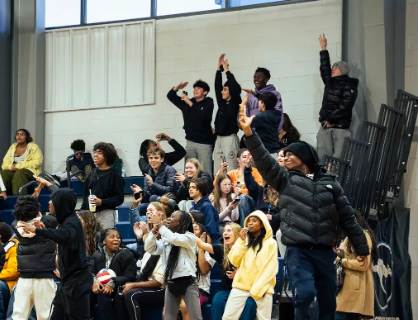
The Commons has been a space where students have held award ceremonies, deeming certain students fit for specific positions. Sileshi said, “We have the awards to have humor and fun while making things seem ‘bigger’ or more exciting than they may seem. The goal of coming to school is to have fun and enjoy the time that you spend there.” Sileshi’s perspective is shared among many Commons frequenters, as throughout the day you can hear and see the joy emanating from the space.
The aforementioned second shutdown of the year happened in February 2026 following a thread of nonsensical emails sent to the entire school. Tensions between Upper School students involved and faculty were high. Due to this incident, action was taken by the Deans and Upper School administration to mediate the situation. After a series of events, the Commons was shut down due to the disrespect and misuse of the space for upwards of a month.
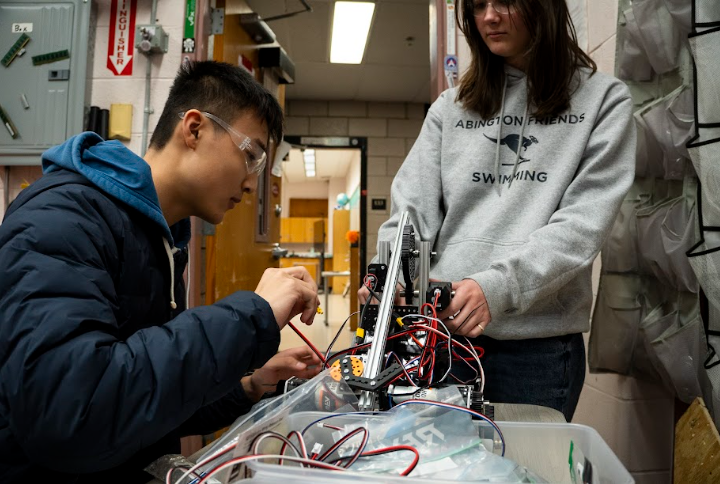
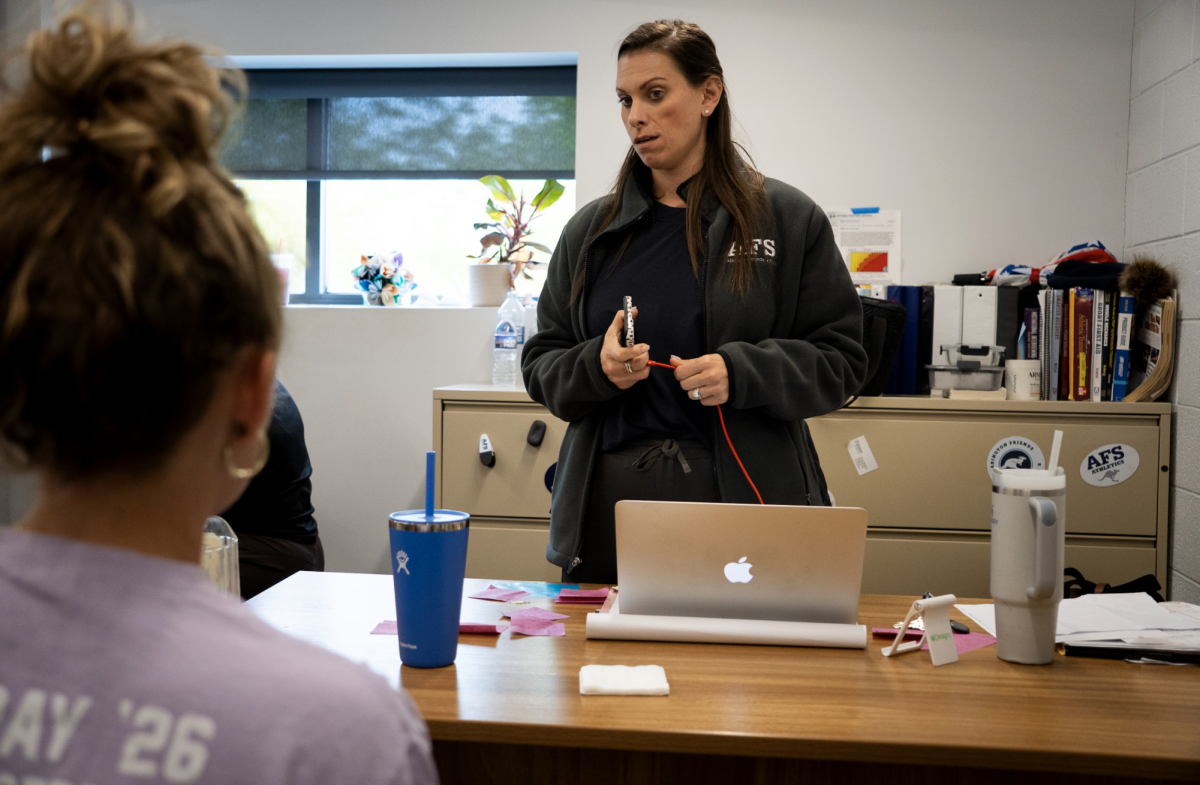
Assistant Director of Upper School Tina Yen’s perspective of the shutdown and the space as a whole shows the importance of gaining knowledge of both student and adult opinion. Yen said, “The Commons as a space could be very promising but I don’t think it is really clear to people overall on how we want to use it as a community. It’s used as multiple different spaces like [for] studying and homework, 3D printing, as well as a hangout area.”
Yen said, “The Commons has always been a place where people let loose, and there have been many problematic things that have happened. Before getting nice furniture, students would go out of their way to break furniture and make a mess of the space.”
Despite the Commons being an open space for many years, it still offers multiple different perspectives and feelings for all students and faculty of the Upper School, both positive and negative. No matter what other controversies and issues arise, the Commons will continue to have an integral part in the Upper School.