











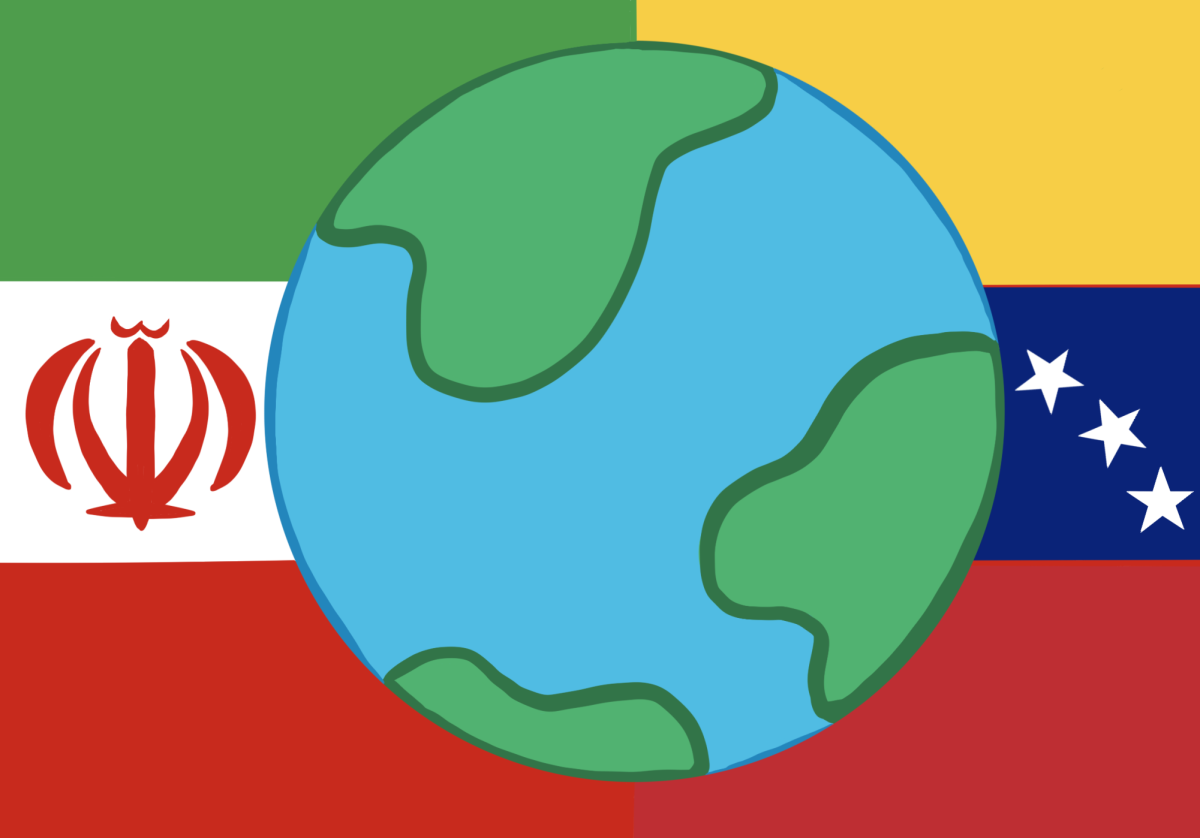







On February 28, 2026, American politics was thrust into a state of war when the military launched a surprise attack on Iran, killing its leader, Ayatollah Ali Khamenei. The suddenness of the attack shocked the world and kicked off yet another full-scale conflict in the Middle East as Iran retaliated.
After the death of its leader, Iran launched several retaliatory waves of missiles and drones at neighboring countries across the Middle East. With attacks stretching from Jordan to the United Arab Emirates, Iran kicked off initial attempts to take out nearby US bases and other assets.
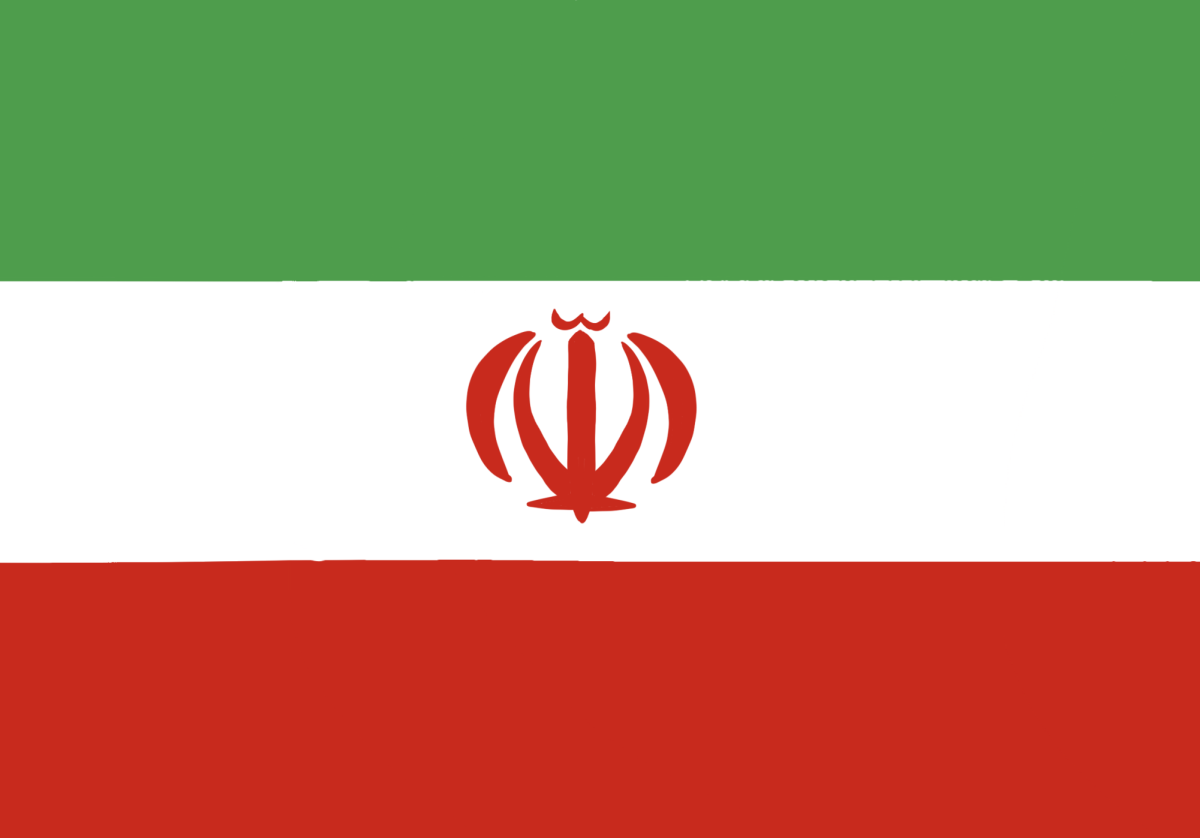
The conflict between America and Iran goes much farther back than 2026. In 1979, the Islamic Republic overthrew the Imperial State and the Shah. In doing so, Iranian students took over 50 American embassy workers hostage for 444 days. Although the hostages were eventually returned in 1981, the incident became known as the Iran Hostage Crisis and set a blueprint for the relationship between the two very different nations for decades to come.
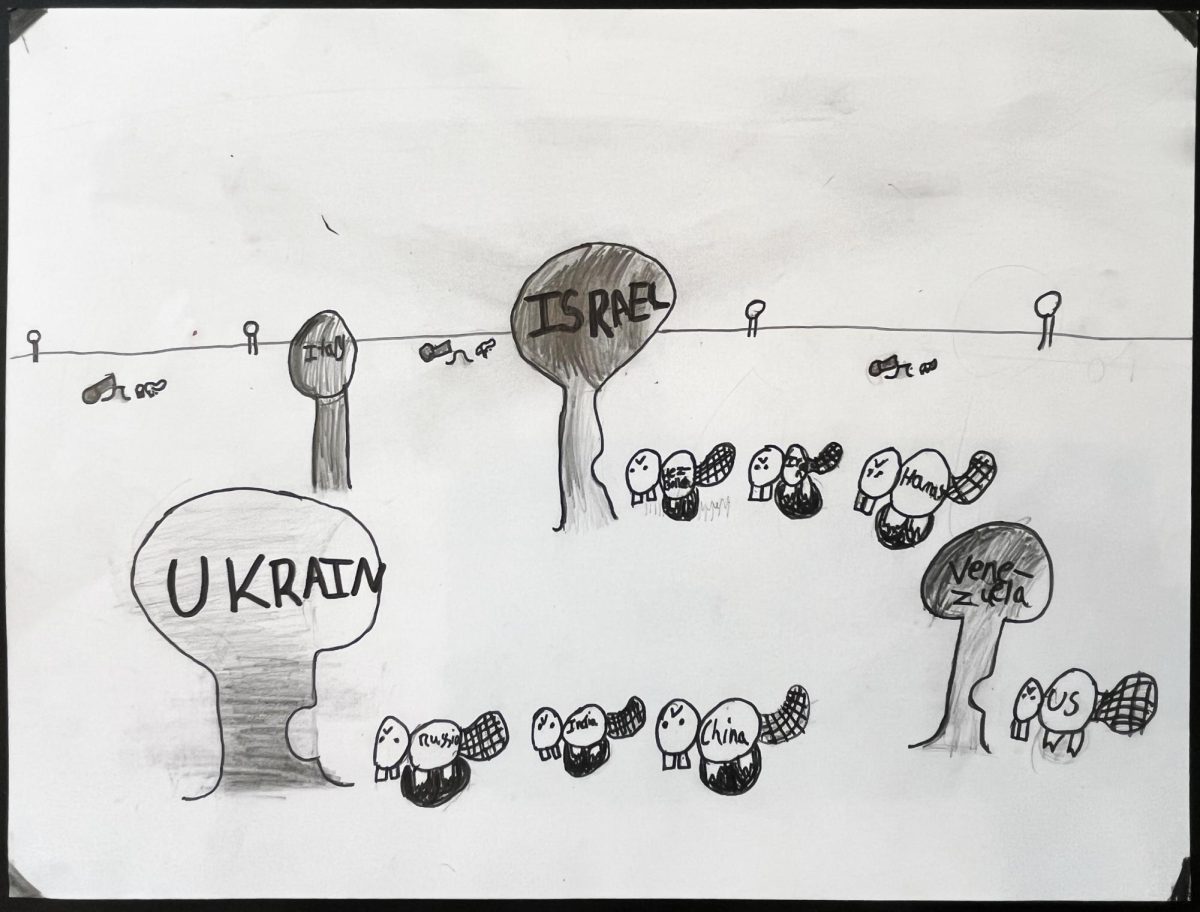
One of the key strategies that Iran has used against the United States and other European countries is the use of proxy groups. Designated as a state sponsor of terrorism in 1984, Iran has been known to fund and publicly support extreme groups, most of which have been designated as official terrorist organizations by the United States and the United Nations.
According to a 2021 Department of State report on terrorism, “In Yemen, Iran has provided a wide range of weapons, training, advanced equipment such as unmanned aerial systems, and other support to Houthi militants, who engaged in hundreds of attacks against regional targets in Saudi Arabia.”
More recently, however, Iran has been looking towards larger weapons. Specifically, Iran has been attempting to produce weapons-grade uranium in order to make a nuclear weapon. This idea has haunted US presidents for years and was the focus of the June attacks in Iran during Operation Midnight Hammer. This fear, along with the idea that Iran poses a national security threat, prompted the most recent attacks in Operation Epic Fury.
Reactions to the attack have been mixed. Inside Iran, reactions showed a split country: in some areas, there were celebrations of Khamenei’s death, while in other areas, there was mourning. In the United States, most Republicans lauded the action as a plus for national security. While some Democrats found common ground in the idea that the Iranian regime needed to be taken down, many others were firmly against the bombing, considering the action to be unconstitutional.
Perhaps one of the biggest points of contention across all platforms is the United States’ partnership with Israel in Operation Epic Fury. When the first bombs fell, it was announced that it was a joint American-Israeli operation. This has received much scrutiny from around the world, including in our own community.
When Jacob Wilder ‘27 was asked in an interview what he thought of the bombing, he said, “I think we need to continue to bomb Iran. The government needs to be ousted, and I believe the most effective way of doing that is by destroying their infrastructure and the people involved in human rights abuses.”
For reference, the main struggle that many past rebellions have faced is building an effective government from scratch. This can be seen after the American Revolution, with the failed Articles of Confederation; the Russian Revolution, with Joseph Stalin quickly becoming a dictator after Vladimir Lenin’s death; and the Haitian Revolution, with the new government facing much hostility from other powers.
These can be challenging times for many people, and it’s important to pay attention to the facts of what’s happening while also listening to what others have to say. Through community and understanding, people can get through these frightening times and learn from them.